September 28, 2026 Post by : Editorial Shipwrecks & Salvage
Message in a Bottle: The Curious History of Maritime Mail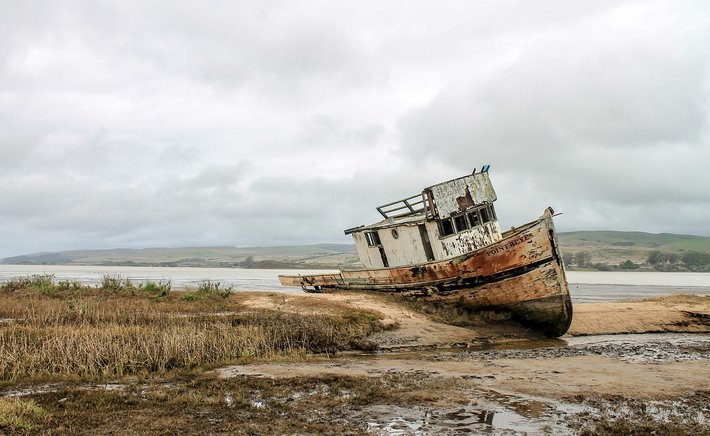
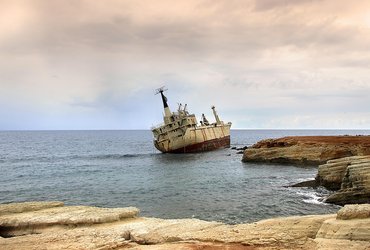
When a ship drove onto a lee shore in a winter gale, the nearest village faced a moral problem it could not avoid. People were drowning out there in the breakers. And in the following days, if anyone survived the sea, a great deal of valuable property would wash up on the beach: casks of wine, bales of cloth, barrels of salt beef, timber, rope, copper. The history of the coast is inseparable from that double fact.
In the days before organized lifeboats, rescue was often improvised by the same people who stood to gain from the wreck. Fishermen would launch open boats into surf that could easily kill them, sometimes succeeding, sometimes not. There are many recorded acts of extraordinary bravery, and there are also recorded cases of communities that did nothing, or worse. Both belong to the story.
The Law of the Shore
Customs varied wildly. In some places, the lord of the manor claimed everything above the tideline. In others, the finder kept what he could carry, which encouraged people to carry a great deal. The word wrecking covers everything from picking up loose spars to the darker accusation of luring ships onto rocks with false lights, a crime that was probably far rarer than folklore suggests, since a wrecked ship was unpredictable and a working harbour was worth more over time.
Governments tried for centuries to impose order. English law eventually settled on a distinction between flotsam, jetsam, and lagan, terms that still appear in maritime insurance: goods floating after a wreck, goods thrown overboard in a storm, and goods sunk but marked with a buoy. The office of Receiver of Wreck exists to this day, and if you find something on a British beach that clearly came off a ship, you are legally expected to report it.
The salvage economy shaped entire towns. In the Isles of Scilly, in the Scilly and Cornish ports, in the villages of the Outer Banks, generations grew up on a mix of fishing, piloting, and salvage. A good wreck could pay for a winter. It could also bankrupt a family that spent the money before the legal claims were settled, which happened constantly.
Salvage as Memory
Look closely at old coastal houses and you may find ship's timbers in the roof beams, a carved sternpost doing duty as a gatepost, a ship's bell hanging in a church tower. These are not just quaint details. They are the physical record of a time when the sea delivered both death and timber to the same beach.
Modern salvage is a professional, highly regulated business of tugs, pumps, and lawyers. When a container ship loses boxes off a coast today, the beachcombers who turn up are mostly after curios, not a winter's income. But the old tension has not vanished. It surfaces every time a wreck happens near a poor coast and the world asks who the sea's gifts really belong to. The answer has never been simple.

Author

22 feb,2025
This incident opened my eyes to the value of Insurance in general, so I decided to examine my personal and business insurance.


Comment (3)
The payments are made directly from one person to another without passing through a central bank or clearing house.
22 feb,2025
ReplyThe Salt Roads: How Sea Trade Shaped Inland Towns
23 feb,2025
ReplyShipwrecked: Survival Stories from the Age of Sail
23 feb,2025
Reply