September 7, 2026 Post by : Editorial Maritime History
The Wreck That Fed a Village: Shipwrecks and the Salvage Economy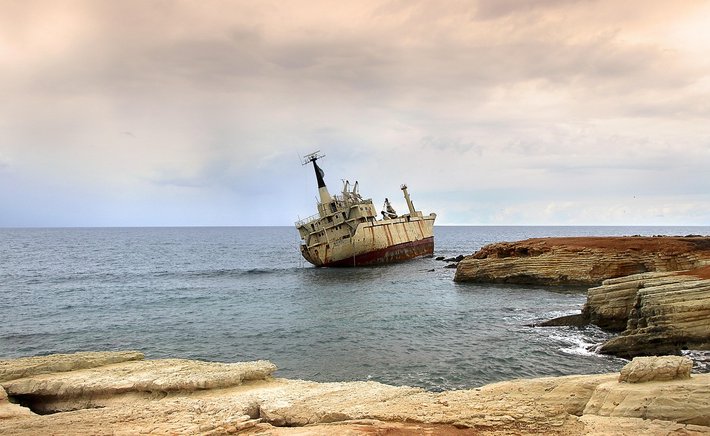
Shipwrecks are usually remembered as disasters, and rightly so. But they are also stories of survival, and the accounts left by survivors are among the most gripping documents in maritime history. In the age of sail, a wreck could leave sailors and passengers stranded on a deserted shore, adrift in a small boat, or clinging to wreckage for days. What they did next—how they found water, shelter, and rescue—reveals as much about human endurance as it does about the sea.
Many survival narratives follow a similar arc: the storm or reef, the moment of impact, the scramble to launch a boat, and then the long wait. But the details are always specific. A group might be stranded on a barren island with no fresh water. Another might be forced to choose between staying with the wreck and attempting a risky voyage to the nearest port. The decisions made in those first hours often determined who lived and who did not.
Water, Shelter, and Hope
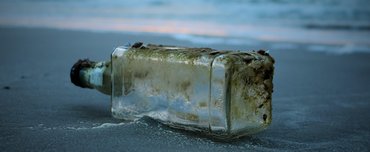
Fresh water was almost always the first priority. Castaways collected rain in sails, dug for moisture in the sand, or followed birds and vegetation to hidden springs. Shelter came next, often built from wreckage and salvaged canvas. Fire was a luxury, but it could be made with flint, glass, or friction, and it provided warmth, cooking, and a signal for passing ships.
Food was a constant challenge. Fishing with improvised hooks, gathering shellfish, and eating seaweed kept some groups alive for weeks. Others resorted to more desperate measures, and the history of survival at sea includes episodes that survivors rarely spoke about afterward. The psychological strain was often as severe as the physical one. Isolation, uncertainty, and the sight of others dying tested even the strongest crews.
Rescue and Memory
Rescue, when it came, was often accidental. A passing ship might spot a signal fire, or a group might be found by local fishermen who knew the coast. In some cases, castaways built their own boats from wreckage and sailed to safety, a feat that required enormous skill and luck. The stories they told afterward were shaped by the need to explain what had happened, to honor the dead, and sometimes to justify difficult choices.
Today, shipwreck survival stories remain popular because they speak to something universal: the fear of being alone in a hostile environment and the hope that rescue is possible. They also remind us that the sea is not merely a setting for trade and travel. It is a force that can strip away everything except the will to keep going. Along the coast, in museums and local archives, these accounts are preserved as a kind of inheritance—a record of what people endured when the ocean refused to let them go.
Author
22 feb,2025
This incident opened my eyes to the value of Insurance in general, so I decided to examine my personal and business insurance.

Comment (3)
The payments are made directly from one person to another without passing through a central bank or clearing house.
22 feb,2025
ReplyReading the Shore: How Fishermen Learned the Coastline Like a Language
23 feb,2025
ReplyThe Wreck That Fed a Village: Shipwrecks and the Salvage Economy
23 feb,2025
Reply