September 22, 2026 Post by : Editorial Coastal Life
Fog Signals and the Sound of the Coast
Coastlines are not permanent. Sand moves, cliffs crumble, estuaries silt up or break through, and every so often a village that stood for centuries finds itself in the wrong place. The result is a scattered family of coastal ghost settlements, some buried under dunes, some toppled into the sea, some still marked on maps though nobody has lived there for generations.
On the east coast of England, several medieval ports were lost to the sea as the cliffs retreated. Whole streets went over the edge, and parishes that once had churches and markets were reduced to a name on a map and a few stones in the water at low tide. Local people still tell stories about hearing bells under the waves, a legend that turns up in many drowned-village traditions and probably reflects a real memory of buildings falling into the surf.
Buried by Sand, Not Water
Not every lost village drowned. Some were swallowed by sand. On windswept dune coasts, a single bad winter could bury fields, cottages, and even a church under metres of blowing sand. There are accounts of congregations digging their way into buried churches to hold services, and of villages abandoned not because the sea rose but because the land was moving under them.
Estuaries are another graveyard of settlements. A harbour that silts up loses its trade, then its shipyard, then its people, and within a couple of generations the place is a few humps in a marsh. Other times the opposite happens: a storm cuts a new channel through a spit, the sheltered anchorage becomes exposed, and the town that lived on it has to move or die.
What remains is often surprisingly little. A ruined chapel on a cliff top. A graveyard with stones half-buried and leaning seaward. A line of stumps in the sand at low tide, the last trace of a drowned forest that existed long before the village ever did. These fragments draw visitors, and the visitors draw the odd tea shop and car park, so the dead village often has a small afterlife as a tourist stop.
What These Places Teach
Coastal ghost villages matter because they are honest about a fact we prefer to ignore. The shoreline is a moving boundary, not a fixed one, and every generation that builds on it is making a bet with the sea. The bet usually pays off for a while. Sometimes it does not.
As erosion accelerates in many places, the old ghost villages are less curiosities and more warnings. They show what happens when a community's whole existence, its church and graves and lanes and harbour, is tied to a strip of land that the water is quietly reclaiming. The people who lived there were not foolish. They simply trusted the coast to stay put, as most of us still do, and the coast, as always, had other plans.

Author

22 feb,2025
This incident opened my eyes to the value of Insurance in general, so I decided to examine my personal and business insurance.

Comment (3)
The payments are made directly from one person to another without passing through a central bank or clearing house.
22 feb,2025
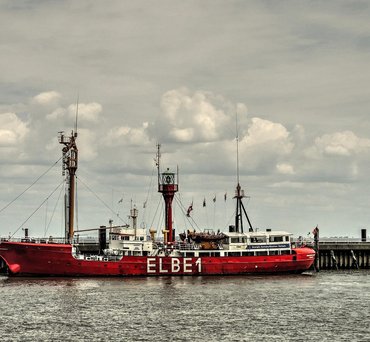
ReplyThe Last Lightship: Keeping Watch Where Lighthouses Couldn't Reach
23 feb,2025
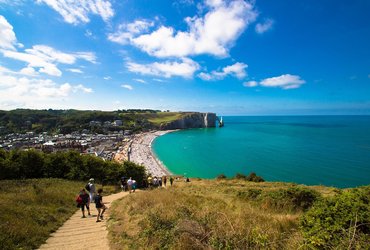
ReplyReading the Shore: How Fishermen Learned the Coastline Like a Language
23 feb,2025
Reply