September 25, 2026 Post by : Editorial Ports & Harbours
The Women Who Waited: Life Ashore in a Whaling Town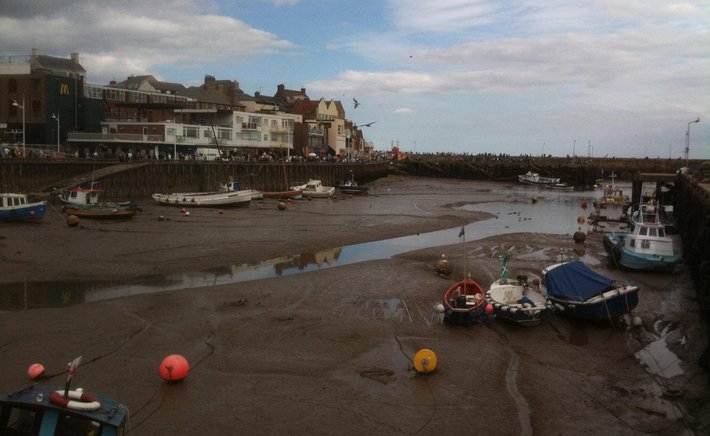
In a port with a big tidal range, the working day does not begin when the clock says nine. It begins when the water says so. A ship drawing four metres of water can only enter on a high tide, and a harbour that dries out at low water empties entirely, leaving boats resting on their sides in the mud like beached animals. Whole communities learned to think in tides first and hours second.
You can still see the old system in stone. Many harbour walls carry tide marks: carved lines, brass studs, painted scales that show how high the water will rise on a spring or neap tide. A harbourmaster reading the mark could tell a skipper exactly when to move. Before printed tide tables were cheap and common, this local knowledge was the operating system of the port.
The Sounds of a Working Harbour
Harbours were also noisy in a very particular way. Bell buoys clanged at the entrance in any swell, marking shoals. Fog signals, from simple guns to compressed-air horns, sounded at fixed intervals. A ship arriving in poor visibility navigated partly by ear, counting the seconds between blasts to fix its position. Sailors spoke of hearing their way into port, and the soundscape was as familiar as the skyline.
Then there were the human signals. A whistle from the pier, a shouted tide reading from the quay, the rattle of a chain as a lock gate opened. In many ports a small cannon or a rocket announced the state of the tide to boats still out fishing. All of this has been replaced, mostly, by radio and a screen in the wheelhouse, and the result is a harbour that is quieter and safer and somehow less alive.
Working around tides shaped the culture of port towns in ways that outlasted sail. Pubs opened early for men going out on a dawn tide and closed in the afternoon. Markets ran on tide time. Children learned to swim in the harbour at slack water because that was when it was safe. Even church attendance bent to the sea: in some fishing communities, services were timed around the boats.
The Tide as Timekeeper
The old dependence on tide has not disappeared, it has just been pushed out of sight. Every ferry timetable, every dredging schedule, every marina berth allocation still answers to the same moon-driven rhythm. Engineers design locks and sluices to defeat it, but they never quite win. The sea keeps its own appointment.
For anyone who lives near a big tidal harbour, the habit of checking the tide before making plans never really leaves. It is a small, daily reminder that the coast is not a fixed thing. Twice a day the whole landscape changes shape, and the town that knows this best is the town that was built to work with it rather than against it.


Author

22 feb,2025
This incident opened my eyes to the value of Insurance in general, so I decided to examine my personal and business insurance.

Comment (3)
The payments are made directly from one person to another without passing through a central bank or clearing house.
22 feb,2025
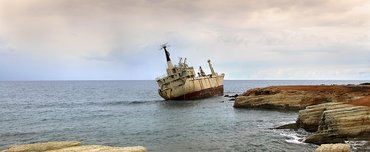
ReplyShipwrecked: Survival Stories from the Age of Sail
23 feb,2025
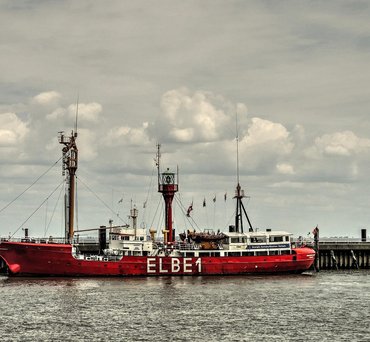
ReplyThe Last Lightship: Keeping Watch Where Lighthouses Couldn't Reach
23 feb,2025
Reply