October 4, 2026 Post by : Editorial Lighthouses & Navigation
Harbour Time: How Tide Clocks and Bell Buoys Ran the Working Day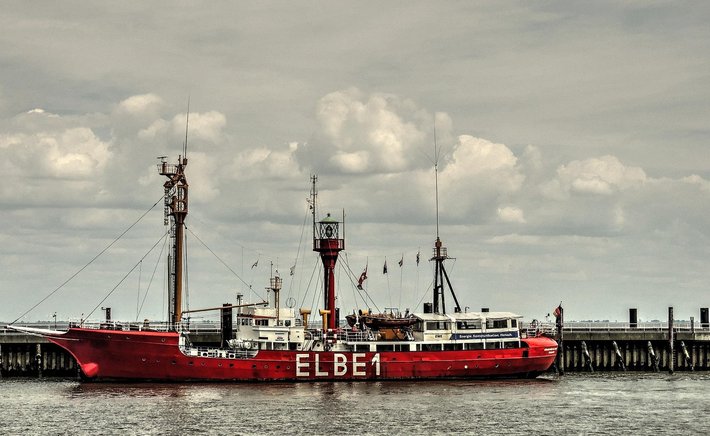
Some stretches of coast are simply too flat, too shoal-ridden, or too far offshore for a lighthouse to do any good. The answer, dreamed up in the early nineteenth century, was a ship that never went anywhere: a lightship, moored to the seabed with a lantern at the masthead and a crew condemned to live exactly where the danger was.
The first American lightship took station in 1820 at Willoughby Spit in Chesapeake Bay, and the idea spread quickly around the British Isles and northern Europe. These were not graceful vessels. They were heavy, bluff-bowed hulks built to hold position, not to sail. Their hulls were painted red with the station name in huge white letters, and in fog they rang bells or fired signal guns at intervals, a lonely noise that sailors learned to listen for the way landsmen listen for a train.
Life on a Fixed Spot
Crews usually served two to four weeks on station, though weather often stretched that. The ship swung on its mooring chain with every tide change, so the world tilted and jerked beneath them day and night. There was no going ashore for a drink, no walking off an argument. Men fished off the side, repaired gear, polished brass, and stood watches in a lantern that had to be lit at dusk and extinguished at dawn, every single day, in any weather.
The work was monotonous until it was terrifying. In a heavy gale a lightship could roll so violently that the lantern went dark, and the crew knew that somewhere out in the murk a coaster might be steering straight for them, listening for a bell that the wind was tearing away. More than one lightship was rammed and sunk by the very traffic it existed to warn. The most famous case, the Nantucket, went down in 1934 with several of her crew after a liner struck her in fog.
Relief day was the great event of the calendar. A tender would come alongside, sometimes after days of waiting for a weather window, and the exhausted crew would scramble aboard while fresh men took their places. On the way back to port, everything felt strange: the ground did not move, and the silence at night was almost unbearable.
Why They Still Matter
Lightships were expensive and dangerous to maintain, and one by one they were replaced by automated buoys, large navigational buoys, and finally by satellite positioning that made the whole concept obsolete. The last American lightship station was disestablished in 1985, and Britain retired its final vessel in 1989. Most were scrapped; a lucky few became museums, restaurants, or floating hostels.
It is worth remembering them, though, because they represent something rare in maritime history: a job that was purely about staying put. Every other sailor went somewhere. The lightship crews stayed, swinging on a chain in the dark, holding a small flame against the sea so that strangers they would never meet could find their way home.
Author

22 feb,2025
This incident opened my eyes to the value of Insurance in general, so I decided to examine my personal and business insurance.



Comment (3)
The payments are made directly from one person to another without passing through a central bank or clearing house.
22 feb,2025
ReplyMessage in a Bottle: The Curious History of Maritime Mail
23 feb,2025
ReplyThe Women Who Waited: Life Ashore in a Whaling Town
23 feb,2025
Reply